Most individuals have listened to the "every six months" rule. It is a suitable starting factor, but it is not a one-size timetable. The ideal cleansing interval depends upon your mouth's biology, your practices, your medical problems, and even your tension degree. I have seen individuals that can securely stretch to 9 months efficiently, and others who require a comprehensive cleansing every eight to 10 weeks to keep gum tissue swelling away. The most intelligent routine is personal, based on proof gathered from your gum tissues and teeth, not guesswork.
This overview lays out how dental professionals in fact choose cleaning frequency, what happens throughout a professional cleaning, and which aspects push you towards a much shorter or longer period. I will likewise cover diplomatic immunities, from dental implants to braces to emergency situations, and how to take advantage of the see you are currently spending for. If you are inputting "dental expert near me" and attempting to find out what to ask when you get there, you will certainly have a clear plan by the end.
What a professional oral cleansing accomplishes
A specialist oral cleaning, https://dentist-near-mezwuf821.bearsfanteamshop.com/the-ultimate-checklist-for-finding-the-right-dental-professional-near-me frequently called prophylaxis or "prophy," does greater than polish discolorations off coffee-loving molars. The hygienist and dental professional eliminate plaque and calculus that your toothbrush and floss can not budge. Calculus, occasionally called tartar, is mineralized plaque. Once it sets, it anchors bacteria along the gumline and in between teeth. Germs launch acids and toxic substances. Left long enough, the gums swell and hemorrhage, bone levels start to drop, and teeth loosen over years. We call that progression periodontitis.
A typical cleaning focuses on getting rid of plaque and calculus from over the gumline and just into the sulcus, the superficial pocket around each tooth. If you have healthy periodontals and pockets that measure 1 to 3 millimeters, this is typically enough. When pockets deepen to 4 millimeters or even more, and bleeding is constant, we change training course to periodontal treatment, also called scaling and root planing. That is not a "routine cleansing." It is much deeper, quadrant by quadrant, and typically sustained with numbing and occasionally regional remedies. The follow-up schedule after gum therapy is its own roadmap, and it is stricter than the "every 6 months" idea.
Cleanings likewise give us a picture. We gauge pocket midsts, check for blood loss and plaque levels, and compare to past gos to. If you have oral implants, we analyze cells tone, probe gently around the dental implant, and sometimes take targeted radiographs to confirm bone security. Implants can be rather forgiving when kept well, however when plaque builds up, peri-implant mucositis can become peri-implantitis quickly.
The reality behind the six-month rule
Where did 6 months come from? It is a mix of custom and public health pragmatism. For a big slice of the population with typical risk, a six-month recall records early changes prior to they become pricey problems. It additionally lines up with insurance benefits in the United States, which commonly cover two prophylaxis check outs per year.
Insurance, however, is not a health insurance. It is a contribution toward care. Your mouth does not collaborate with insurance coverage caps. A low-risk adult who brushes, flosses, and eats a low-sugar diet regimen may keep wonderfully with cleansings every nine to twelve months, provided they attend routine examinations and X-rays at clinically proper intervals. On the various other hand, someone with very early gum disease, heavy tartar development, or clinical problems that intensify inflammation might require a cleansing every three to 4 months. Both choices can be correct.
How dental professionals personalize your cleansing interval
We typically secure the choice to four measurable areas and one useful one:
- Gum metrics: pocket midsts, bleeding on penetrating, recession, and clinical accessory levels. Constant blood loss in numerous websites is the most effective predictor of disease activity. Tartar and plaque accumulation: how swiftly deposit returns after a cleaning. Some people build calculus swiftly even with superb cleaning. Salivary structure and tooth anatomy matter. Caries risk: active cavities, low saliva flow, constant snacking, and deep grooves or subjected root surfaces raise the risk. Frequent cleanings help with targeted fluoride and coaching. Systemic and lifestyle aspects: diabetes mellitus, pregnancy, nicotine usage or vaping, autoimmune condition, specific drugs that dry out the mouth, and high stress. These all change periodontal biology. Home care reality: inspiration and technique. A person that utilizes a powered brush for two minutes twice daily, cleans up in between teeth most days, and makes use of a fluoride rinse will likely require fewer professional touches than somebody who brushes as soon as swiftly and hardly ever flosses.
When we see reduced blood loss, superficial pockets, marginal calculus return at six months, and strong home care, we may evaluate a much longer interval. We will generally add a safety net, like a fast check 3 months right into the longer cycle or a phone follow-up to catch any drift. If swelling returns or calculus constructs quickly, we reduce again.
Common routines, and what they imply
A three-month interval matches people with a history of periodontitis, energetic gingival swelling that stands up to self-care, hefty calculus development, or risky medical problems. It is typical after gum therapy since biofilm around tooth roots recolonizes within weeks. Three months lets us obstruct condition before the immune response and bacteria chain with each other to damage down even more tissue.
A four-month period is an excellent middle ground for individuals that are secure however not yet regularly bleeding-free, or those using dental braces or aligners where plaque control is harder. It also functions well for clients with multiple crowns and bridges, or those that grind heavily.
Six months stays suitable for low to modest threat and good home care. 9 to twelve months can be secure for truly low-risk individuals with impeccable health, reduced sugar consumption, and consistent check-ins. If a person stretches past a year, they should recognize they are taking on even more danger. When problems make, they are generally painless early. An asymptomatic mouth is not always a healthy mouth.
How dental implants alter the cleansing conversation
Implants are not teeth. They never ever get tooth cavities, yet they do obtain gum swelling. The seal around a dental implant is various from the tendon around a tooth, and once inflammation holds, bone loss can relocate faster around implants. A dental implants periodontist or a knowledgeable basic dental professional will certainly commonly suggest three or four month maintenance for people with a history of peri-implant mucositis, cigarette smokers, diabetics, or those with difficult implant positions that trap plaque.
Instrument choice matters for implants. We make use of non-scratching tips and polishers that will not roughen the titanium or zirconia surface. If your dental center treats several dental implant people, ask how they keep implants and whether they track peri-implant probing depths and radiographic bone levels gradually. You desire that data.
If you are surfing for a "dentist near me" since you have implants and hemorrhaging around them, search for mention of experience with dental implant maintenance and periodontics. In Boston, a practice like Dental Designs Boston or an alternative dental practitioner Boston who still sticks to evidence-based methods can balance mild treatment with essential intervention. The name on the door matters much less than the rigor of the upkeep procedure and the method they educate you.
Special populations that should not wait 6 months
Pregnancy changes periodontal action. Hormone adjustments can make gum tissues puffy and bleed quickly, also in people that had no problem before. A mid-pregnancy cleaning can protect against maternity gingivitis from rising. If nausea or vomiting makes cleaning hard, we adapt with smaller sized brushes, cooking soda rinses, and critical fluoride.
Diabetes, particularly if A1C runs high, raises the danger of periodontitis. Managing blood sugar level assists gums, and regulating gum inflammation assists blood glucose. Much of my diabetic person people do best with three or 4 month cleansings till both the periodontals and A1C stabilize.
Dry mouth, brought on by loads of common drugs or by autoimmune problems like Sjögren's, increases dental caries threat along the gumline and on origin surface areas. A lot more regular cleansings let us supply high-concentration fluoride varnish and expect early chalky sores prior to they cavitate.
Orthodontic treatment complicates home treatment. Braces, cords, and even aligner add-ons accumulate plaque. Teenagers are famously irregular with flossing. A four month schedule during dental braces conserves distress when the braces come off.
Cancer treatment, specifically head and neck radiation, adjustments saliva and tissue feedback. Work carefully with your oncologist and dental practitioner to set a safety timetable, sometimes regular monthly during energetic therapy, then going back as tissue recovers.
What takes place if you extend the period too long
Anecdotes stick to you in dental care. The thirty-year-old software program engineer that pressed cleanings to once every 2 years due to the fact that he "never had a cavity" showed up with bleeding at almost every website and a peppering of early bone loss. He had changed to a high-caffeine, low-water routine and started vaping. He thought his periodontals hemorrhaged because he began cleaning harder. We caught it in time, however it took scaling and root planing, four follow-up cleansings over a year, and a button to a fluoride tooth paste and interdental brushes to return to stability.
The slippery slope appears like this: extra calculus kinds in sheltered locations, microorganisms dig in, the body immune system reacts, and the gum add-on gradually glides down the tooth root. Teeth still look fine in the mirror. They practically never hurt until late. The first noticeable sign is commonly refined wandering or a triangular of dark area in between front teeth where papilla utilized to be. That is why timing matters also when you feel fine.
What counts as a cleaning versus periodontal maintenance
If you have actually ever been stunned by a charge for "periodontal upkeep" as opposed to "prophylaxis," you are not alone. They are not interchangeable. Prophylaxis is for healthy periodontals and superficial pockets. Periodontal upkeep is the follow-up phase after scaling and root planing or a history of periodontitis. It includes deeper instrumentation, local root planing where needed, and more detailed tracking. Most clients on gum upkeep remain on a three or four month schedule, frequently indefinitely, since the goal is to stop recurrence, not to finish back to a six-month prophy and neglect the history.
If you are uncertain which you need, ask your service provider to assess your latest gum chart with you. Seek pocket numbers, hemorrhaging sites, and a narrative of your illness history. A great dental clinic will certainly reveal you the data as opposed to request for blind trust.
How an alternative technique fits without giving up evidence
The phrase alternative dental practitioner Boston obtains searched usually, and it suggests various things to different people. In my experience, the most valuable "holistic" technique is one that values the mouth as component of the body and uses products and techniques suited to your biology while staying based in evidence. For cleanings, that can suggest picking polish pastes without unneeded flavor allergens, managing aerosol with high-volume emptying, utilizing biocompatible fluoride choices when ideal, and customizing home-care guidance to diet plan and rest, not simply brushing technique.
Holistic must not suggest skipping X-rays for many years or staying clear of gum therapy when gum tissues are damaging down. The microbial and inflammatory motorists of gum tissue condition do not care whether a practice classifies itself all natural or cosmetic. They reply to elimination of biofilm, decrease of threat factors, and constant maintenance.
Why cosmetic objectives still depend on cleanings
Patients often locate me because they want whiter or straighter teeth. An aesthetic dental practitioner can deliver veneers, bonding, or lightening only if the structure is sound. Whiteners pass through best on teeth free of calculus and spots. Bonding mixes much more effortlessly when the gumline is calm and not puffy. Veneers on swollen periodontals age improperly. I have actually delayed smile transformations for months to support periodontal wellness initially, and the final results last much longer as a result of that patience.
If you are thinking about whitening ahead of a wedding celebration or pictures, intend a cleaning 2 to four weeks prior. That timetable enables any type of transient level of sensitivity to clear up and provides the bleaching gel a clear course to the enamel. If your gums hemorrhage throughout brushing, obtain that controlled initially. Cosmetic work needs to be the icing, not the spackle.
Emergencies and the cleansing clock
Emergency dental care addresses discomfort, infection, and trauma. A busted tooth or swelling does not wait for your following cleaning. Still, emergency situation visits can expose why problems surfaced. A cracked molar often tracks back to hefty night grinding and limited muscle mass. An infection from a deep cavity commonly signifies months or years of plaque control challenges and missed maintenance. After emergency situation dental solutions deal with the immediate requirement, make use of the momentum to set a cleansing and examination. The very same goes with cracked veneers or crowns, which have a tendency to fall short faster in mouths with chronic inflammation.
If you are new in the area and searching "ideal dental practitioner in B, MA." or "dental practitioner near me," do not just take a look at first-class scores. Review reviews that point out hygiene sees, periodontal care, and follow-through after emergencies. If a method worths maintenance, clients talk about it.
How to make each cleaning count
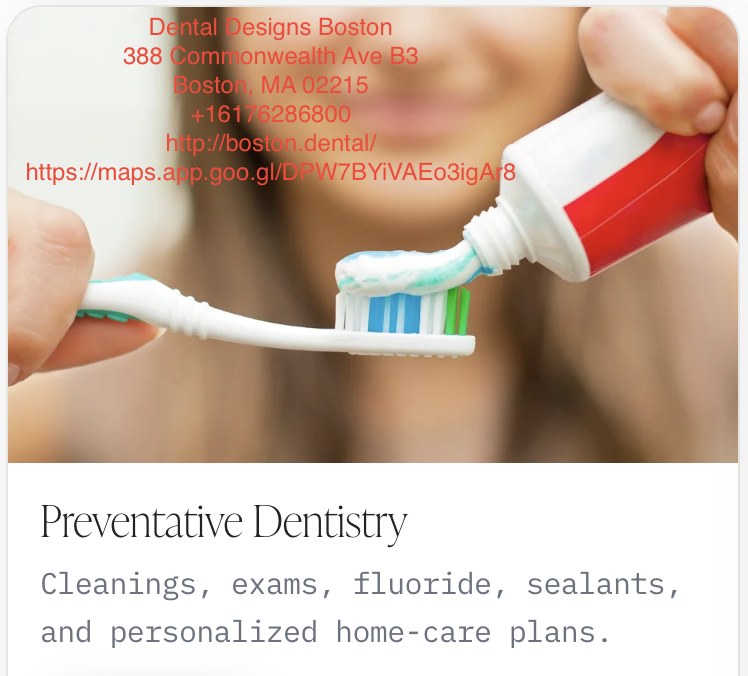
A cleansing that transforms your mouth right does not really feel like a one-way polish. Expect measurement, responses, and a game plan. The home regimen you adhere to figures out 80 percent of your end result. The workplace go to, done right, fine-tunes and motivates.
Here is a brief checklist I offer individuals who want even more worth per visit:
- Ask for your pocket chart and bleeding rating in simple language, and create them down. Patterns matter greater than a single number. Bring your devices. If you make use of a details brush head, interdental brush dimension, water flosser idea, or tooth paste, reveal them to the hygienist for real-time coaching. Tackle one habit at a time. For several, that indicates switching to a powered brush, including nighttime fluoride tooth paste, or cleansing between teeth a minimum of 4 days a week. Align diet plan with objectives. Frequent drinking on sweetened coffee or power beverages weakens terrific brushing. Think about sugar-free options and a water chaser. Schedule the following see before you leave. Uniformity defeats purpose every time.
The duty of fluoride and complements in between cleanings
If your risk for tooth cavities is high, fluoride varnish at each cleansing can go down new degeneration by a significant margin. High-fluoride toothpaste at bedtime, typically 5,000 ppm, helps especially if origins are subjected or saliva is low. For gum swelling, antimicrobial rinses like chlorhexidine can help short term, however they discolor and are except persistent daily use. Important oil rinses or cetylpyridinium chloride rinses are gentler for longer stretches, though they are not a substitute for cleansing between teeth.
Interdental brushes outmatch floss in mouths with gum economic crisis and black triangles due to the fact that they scrub the sides of the teeth where biofilm hides. Water flossers can assist, especially around bridges and implants, yet they do not change mechanical get in touch with. If you are in uncertainty, ask your hygienist to size interdental brushes for you. The appropriate dimension matters.
Cost, insurance, and the real business economics of prevention
Patients frequently ask whether a three-month routine is "worth it" if insurance just pays for 2 cleansings a year. The math is more clear when you compare it to the cost of scaling and origin planing, crowns placed due to degeneration at the margins, or implant therapy after missing teeth. A periodontal upkeep check out might cost a couple of hundred bucks. Scaling and origin planing runs numerous times that. An oral implant with the crown can land in the thousands. Avoidance is not just a slogan. Over 5 to 10 years, the quieter, a lot more constant maintenance path prices less and hurts less.
If you require a slope method because of spending plan, speak with the office. Surprise much deeper cleanings by quadrant. Pair three-month cleansings with targeted home-care upgrades. Some practices, consisting of those like Oral Designs Boston, provide internal membership strategies that include more frequent cleansings at a discount rate. Financial conversations ought to not be uncomfortable. They are part of health planning.
When expanding intervals makes sense
There are times to extend the period. A healthy teenager without dental fillings, excellent health, and a low-sugar diet might be great at nine months. A midlife adult that has never ever had a cavity, shows zero blood loss, and has minimal tartar return can test twelve months with acting check-ins, like a quick examination or bitewing X-rays at the midway mark. Throughout travel-heavy seasons or caregiving durations, sanity matters as well. If you stretch, make up by tightening up home care. Make use of a timer with your brush. Include nighttime fluoride. Clean in between teeth most days, not just before the cleaning. After that go back to a rhythm that maintains your numbers steady.
Choosing the appropriate service provider for your mouth
Your individuality and choices issue. Some individuals desire a holistic leaning technique that discusses diet regimen and products. Others desire an aesthetic dental professional that can mix upkeep with a smile upgrade. Some require a dental implants periodontist to manage complex periodontal and bone concerns. Excellent care is much less regarding the tag and even more about the structure: comprehensive charting, sincere risk analysis, tailored intervals, and regular measurement.
If you are neighborhood and searching "dentist near me," call 2 or 3 offices and ask sharp inquiries. Do they execute full gum charting a minimum of yearly? Do they photo periodontal areas that hemorrhage to track change? How do they arrange maintenance for clients with a history of periodontitis? What is their method around implants? A thoughtful front workdesk or therapy organizer will have actual solutions, not unclear assurances.
Final assistance you can act on
The right cleaning period is the one that keeps hemorrhaging sites close to absolutely no, pockets shallow, and calculus build-up very little at each browse through. Six months benefits several. 3 or 4 months is the standard for any person with gum condition background, risky clinical aspects, hefty tartar, or implants with swelling. An unusual few can push beyond 6 safely, but just with tidy information and strong habits.
If you are past due, do not wait on pain. Schedule the cleansing and exam. Treat it as a reset. If you have a preferred Boston workplace, whether a full-service practice like Dental Designs Boston or a smaller sized area dental facility, let them gauge and recommend. If an emergency pressed you right into the chair, utilize that energy to set a maintenance strategy as quickly as the crisis clears up. Healthy and balanced periodontals and clean enamel support every little thing else you want from your smile, from fresh breath to a confident laugh to a cosmetic outcome that still looks great a decade later.
Dental Designs Boston 388 Commonwealth Ave B3 Boston, MA 02215 +16176286800 http://boston.dental/ https://maps.app.goo.gl/DPW7BYiVAEo3igAr8